Here’s a complete profile package for Kenya Institute of Civil Engineering (Building & Civil Engineering College) in Meru County — including a professional profile, suggested motto, and a logo concept based on your branding colors (yellow, blue, white):
🛠️ Institution Profile
Name: Kenya Institute of Civil Engineering – Meru Campus
Location: Meru County, Kenya
Type: Technical & Vocational Education and Training (TVET) Institution
Focus: Building construction and civil engineering training
About Us:
The Kenya Institute of Civil Engineering (Meru) is a centre of excellence dedicated to training skilled professionals in building and civil engineering disciplines. Strategically located in Meru County, the Institute equips learners with both theoretical knowledge and hands-on practical experience tailored to the construction industry’s dynamic needs.
We specialize in career-oriented programmes including:
Building Construction Technology
Civil Engineering
Water & Sanitation Engineering
Landscaping and Environmental Design
Site Management & Project Supervision
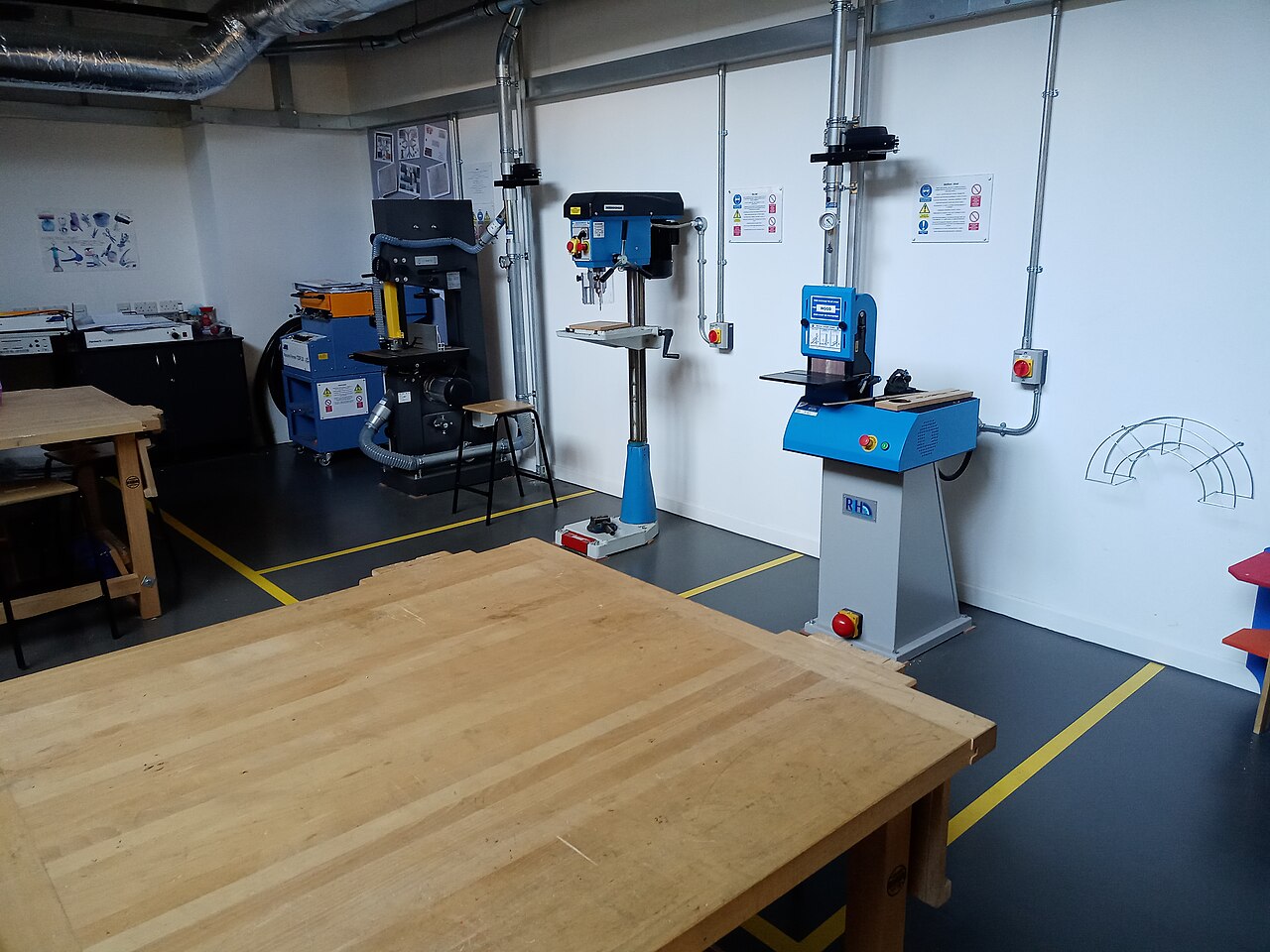
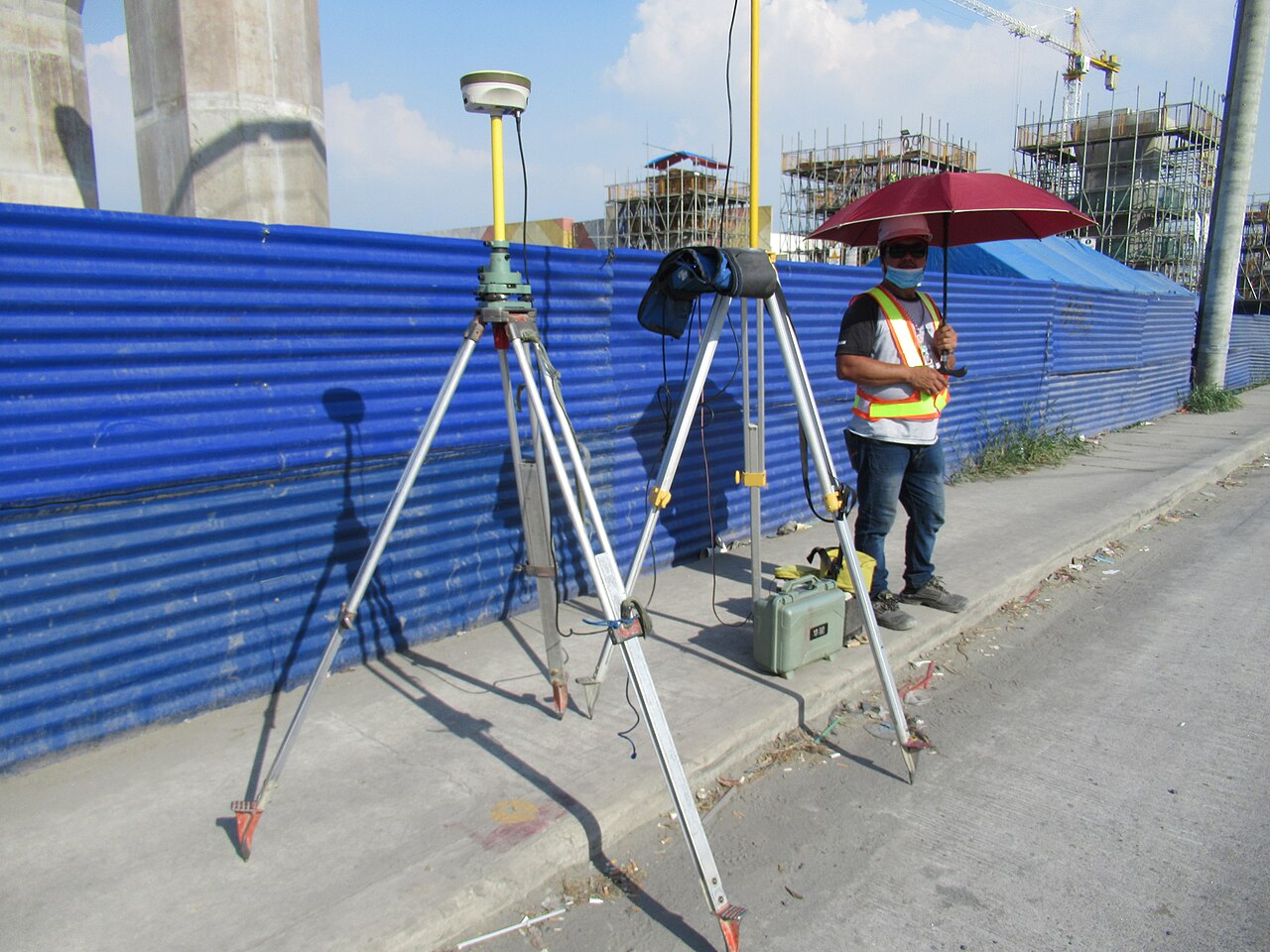
Our curriculum blends classroom instruction with practical workshops, industry attachments, and field-based learning — ensuring graduates are job-ready and industry-relevant. We pride ourselves on nurturing ethical professionals who drive sustainable infrastructure development across Kenya.
Vision:
To be a leading centre of excellence in civil engineering and construction training in East Africa.
Mission:
To deliver quality, practical, and industry-focused education that transforms learners into competent, innovative, and ethical professionals in the built environment sector.
🏁 Suggested Motto
Here are three strong motto options you could choose from:
“Building Skills, Shaping Futures”
“Engineering Tomorrow’s Foundations”
“Quality Training for a Stronger Nation”
My top recommendation: “Building Skills, Shaping Futures” — it’s memorable, student-centric, and directly ties into your educational purpose.
🎨 Logo Concept (Text Description)
Since you asked for a logo based on your colors yellow, blue, and white, here’s a professional conceptual description you can give to a designer:
Logo Description
Primary Shape:
A stylized shield or badge representing strength, protection, and excellence in engineering.
Central Icon:
An abstract combination of a building silhouette and geared wheel — symbolizing both construction and technical engineering.
The building blocks ascend from left to right, conveying growth and progress.
Color Usage:
🎨 Yellow — radiant foundation blocks and the sun rising behind the silhouette (symbolizes energy, optimism, and enlightenment).
🎨 Blue — main gear and structural lines (conveys trust, professionalism, and technical expertise).
🎨 White — negative space accents (clean, clear, and modern design balance).
Typography:
Institution name — bold sans-serif typeface in blue with yellow accents.
Motto placed beneath the name in a white font on a blue ribbon/banner.
Visual Feel:
Modern, strong, and uplifting — reflecting both the technical nature of civil engineering and the educational purpose of the institution.
📌 Example Text Presentation (Logo Mock-Text)
Copy code
[ ▒▒▒ ] KENYA INSTITUTE OF CIVIL ENGINEERING
/ ███ ███ \ Building Skills, Shaping Futures
| █ █ █ |
\ ███████ / “ENGINEERING EXCELLENCE IN MERU COUNTY”
(⚙️) Yellow • Blue • White
(This is a text mock-up — you can take the above description to a graphic designer for a polished version.)
If you want, I can also generate: ✅ A few motto alternatives
✅ Detailed course list with durations
✅ A social media bio or website copy for the Institute
Just tell me!